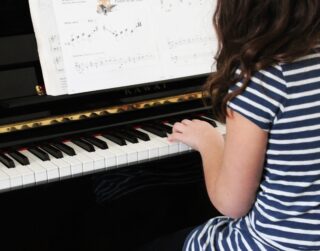
Let’s be honest—practice is often the hardest part of any performing arts training. If you’re a parent, you’ve probably already seen it. Whether it’s practicing piano, reviewing dance choreography, or running lines for a scene, there sometimes seems to be something different your child would rather be doing… and that’s completely normal. At CAM, we see this every day in our music, dance, and theatre programs. Even as teachers, we’ve lived it ourselves. Practicing consistently isn’t easy—but it’s where the real growth happens.
“At Charlotte Academy of Music, we’re not just teaching skills—we’re helping students build habits that shape who they become.”
The Truth About Practice: Consistency is Key
Learning any performing art isn’t something you can cram. It’s built over time through consistent, repeated practice. Whether a student is practicing an instrument, marking choreography, or running lines for a role, the same principle applies: progress comes from focused effort over time. In fact, research in skill development—including the work of psychologist Anders Ericsson—shows that short, focused practice sessions are far more effective than occasional long ones. That’s why even 10–15 minutes a day can make a meaningful difference, especially for beginners.
But here’s the key:
Consistency requires discipline—and discipline is learned.
That’s why we view training in music, dance, and theatre as a partnership between teacher, student, and parent.
A Healthy Perspective for Parents
It’s important to know that it is completely normal for students to resist practicing sometimes. Every child will experience ups and downs. Motivation comes and goes—and that’s part of the process. At CAM, our teachers are not the “practice police.” Our goal is to keep lessons and rehearsals positive, encouraging, and productive. If we ever feel there’s a concern with progress, we’ll communicate with you. You’re not in this alone!
Tips for Younger Students (Ages 10 and Under)
For younger children, success comes from routine and support.
1. Don’t expect full independence yet
Your child will need your help to build the habit of practicing—and that’s okay.
2. Tie practice to a routine
Instead of setting a specific time, connect practice to something that already happens:
- After school snack
- After homework
- After dinner
This makes practice feel like a natural part of the day.
3. Be involved and encouraging
Sit nearby. Listen. Celebrate effort. Positive reinforcement works far better than criticism.
Research from Carol Dweck shows that children are more likely to stick with challenging tasks when effort is encouraged over perfection. When kids feel good about trying—not just succeeding—they’re much more likely to keep going.
Try phrases like, “I love how hard you worked on that,” instead of focusing only on the result.
4. Keep it short and achievable
For beginners, 10–15 minutes, 4–5 days per week is often just right. For dancers and theatre students, “practice” might look like reviewing choreography, practicing expressions, or running lines—but the goal is the same: building confidence through repetition.
Tips for Older Students (Ages 10+)
As students grow, their schedules—and responsibilities—grow too.
1. Be realistic about time
Between school and activities, create a plan that fits your family’s schedule.
2. Set a consistent practice time
Even older students benefit from routine. A set time helps practice become a habit.
3. Limit distractions
Turning off screens makes practice time much more focused and effective.
4. Connect practice to goals
Whether it’s a recital, audition, or performance, helping students connect effort to results builds motivation.
Theatre and dance students especially benefit from this structure. Rehearsing lines, marking choreography, or practicing vocals at home helps them walk into rehearsals feeling prepared and confident.
Stay Connected With Your Teacher
If you ever have questions about assignments or how to structure practice at home, reach out. Your teacher is there to support both you and your child.
More Than Music Lessons
We believe training in music, dance, and theatre is about more than learning skills.
It helps students develop:
- Discipline
- Confidence
- Creativity
- Perseverance
Whether a student is practicing an instrument, learning choreography, or stepping into a character, they are building habits that will serve them for life. And with strong support from teachers and families, those daily moments of practice become something much bigger.