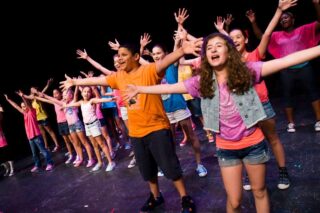
Music has a way of bringing people together, and singing in a group—whether in a choir, musical theatre ensemble, or classroom setting—offers kids and teens more than just a chance to make beautiful sounds. It’s a powerful activity that nurtures personal growth, builds lasting friendships, and supports mental and emotional health.
Confidence Through Connection
Many young people struggle with self-confidence, especially during the formative years. Singing in a group helps kids and teens find their voice without the pressure of standing alone. In a choir or ensemble, every individual’s voice contributes to the overall sound, which allows students to gain confidence in a safe and encouraging environment. Over time, this confidence often spills into other areas of life—from speaking in class to trying new activities.
Building Teamwork and Responsibility
Group singing is truly a team effort. Students learn that their success depends on listening carefully, blending their voices, and showing up prepared. This instills a sense of responsibility—not just to themselves but also to their peers. Learning how to work together toward a common goal is a skill that will benefit them far beyond the rehearsal room.
Emotional Expression and Stress Relief
Music is a healthy outlet for emotions. Singing releases endorphins, reduces stress, and provides a space for kids and teens to express feelings they may not be able to put into words. Group singing adds another dimension: the comfort of knowing they’re not alone. The act of breathing, moving, and creating sound together is deeply calming and uplifting.
Friendships That Last
Being part of a choir or musical group fosters community. Kids and teens bond quickly when they rehearse, perform, and celebrate achievements together. These friendships often cross boundaries of age, background, and social groups, giving students a supportive network that enriches their school years and beyond.
Lifelong Skills
Group singing teaches discipline, focus, and perseverance. It also improves memory, listening skills, and even posture and breathing techniques. These lifelong tools enhance not only musical ability but also academic performance and overall well-being.
The Joy of Shared Achievement
Finally, there’s nothing quite like standing with a group, hearing voices blend together, and realizing you’re part of something bigger than yourself. Performing for an audience provides a sense of accomplishment that boosts self-esteem and reminds kids and teens of the joy that comes from hard work and collaboration.
Singing for Musical Theatre at Charlotte Academy of Music
One of the best ways for young singers to experience all of these benefits—and more—is through our Singing for Musical Theatre class here at Charlotte Academy of Music. This class is designed especially for students who love theatre, storytelling, and the magic of song. Here’s how it enriches the group-singing experience:
-
Storytelling through song. Musical theatre requires more than just good singing—it asks students to express character, emotion, and narrative. In this class, singers learn how to interpret lyrics and convey a role, which deepens their understanding of communication and empathy.
-
Performance preparation. Students in the class practice audition techniques, stage presence, and working with accompaniment. This builds confidence for public performances, competitions, or even future theatre roles.
-
Variety of repertoire. The class offers a chance to explore different styles in musical theatre—from classic Broadway to contemporary shows. This broadens musical taste, vocal flexibility, and ability to adapt to different genres.
-
Teamwork plus individual growth. While group numbers are central, there are opportunities for solo or small group work, giving students the chance to shine individually while still being part of a group. It’s a mix that helps students stretch their vocal muscles and performance skills.
-
Creativity and fun. Musical theatre naturally involves creativity—not just in voice, but in movement, characterization, and expression. It encourages students to experiment, take risks, and explore their artistic side in a supportive environment.
Conclusion
Singing in a group gives young people more than music—it gives them confidence, community, and creative outlets that support growth in every area of their lives. When combined with specialized programs like Singing for Musical Theatre at Charlotte Academy of Music, those benefits are amplified: students gain performance skills, deeper expressiveness, and the chance to grow both as part of a team and as an individual artist.
If you’re a parent deciding what extracurricular to choose, or a young person trying to find a place where your voice matters: this kind of class might just be the perfect match.